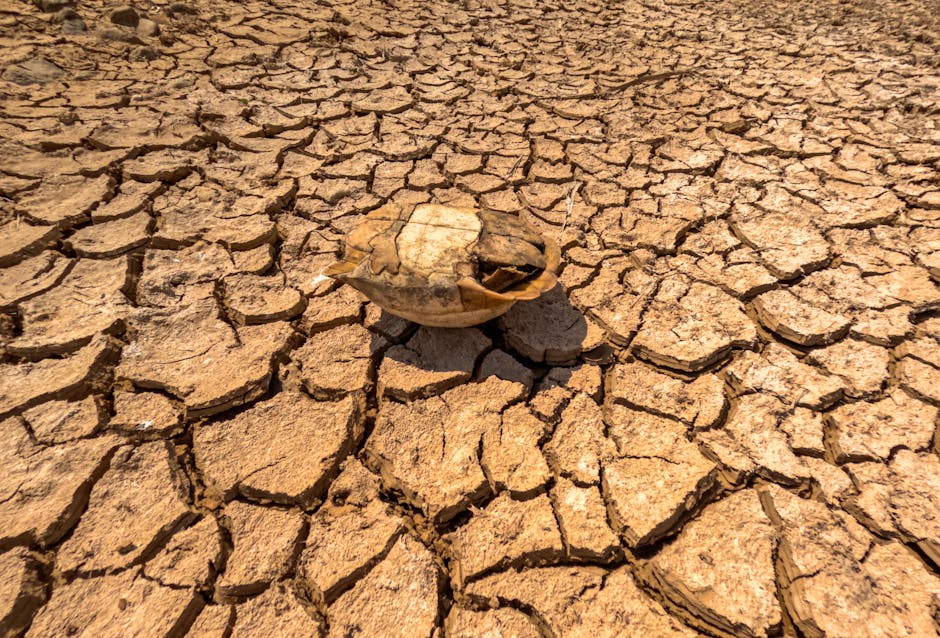
Cape Town nearly ran out of water in 2018. Chennai’s reservoirs dried up completely in 2019. Now, 15 major cities worldwide face the same fate by 2026, according to new data from the World Resources Institute.
The numbers are stark: over 2 billion people already lack access to safely managed drinking water at home. By 2026, that figure could jump to 2.4 billion as climate change accelerates and urban populations explode. What makes this crisis different is its speed—cities that took centuries to build could become uninhabitable within years.
## The 15 Cities on the Brink
The World Resources Institute’s latest assessment identifies 15 metropolitan areas facing “extremely high” water stress by 2026. These aren’t just developing world challenges—the list includes major economic centers across six continents.
**Asia leads the crisis** with seven cities: Jakarta (Indonesia), Chennai (India), Bangalore (India), Manila (Philippines), Ho Chi Minh City (Vietnam), Bangkok (Thailand), and Karachi (Pakistan). Jakarta faces the most immediate threat, sinking 10 inches per year due to groundwater extraction while sea levels rise.
**Africa contributes four cities** to the list: Cape Town (South Africa), Cairo (Egypt), Tunis (Tunisia), and Casablanca (Morocco). Cape Town’s “Day Zero” scare in 2018—when the city nearly became the first major metropolis to run out of water—serves as a preview for these other cities.
**The Americas aren’t spared**, with Mexico City (Mexico), São Paulo (Brazil), and Miami (United States) making the list. Mexico City pumps so much groundwater that the city sinks three feet per decade. São Paulo, with 22 million residents, saw its main reservoir drop to just 5% capacity in 2014.
**Australia rounds out the list** with Perth facing severe shortages despite being surrounded by ocean. The city already relies on desalination for 50% of its water supply.
### The Economics of Water Scarcity
Water shortages aren’t just humanitarian crises—they’re economic catastrophes waiting to happen. Chennai’s 2019 water crisis cost the city’s IT sector $650 million in just six months as companies relocated operations. Manufacturing plants shut down, hotels closed, and real estate values plummeted 30% in affected neighborhoods.
The ripple effects extend globally. When drought hit Taiwan in 2021, semiconductor production—critical for everything from smartphones to cars—faced disruptions that sent shockwaves through global supply chains. Similar scenarios could unfold across multiple industries if major cities face simultaneous water crises.
## Why 2026 Marks the Point of No Return
Three converging factors make 2026 a critical threshold year for global water security.
### Climate Change Acceleration
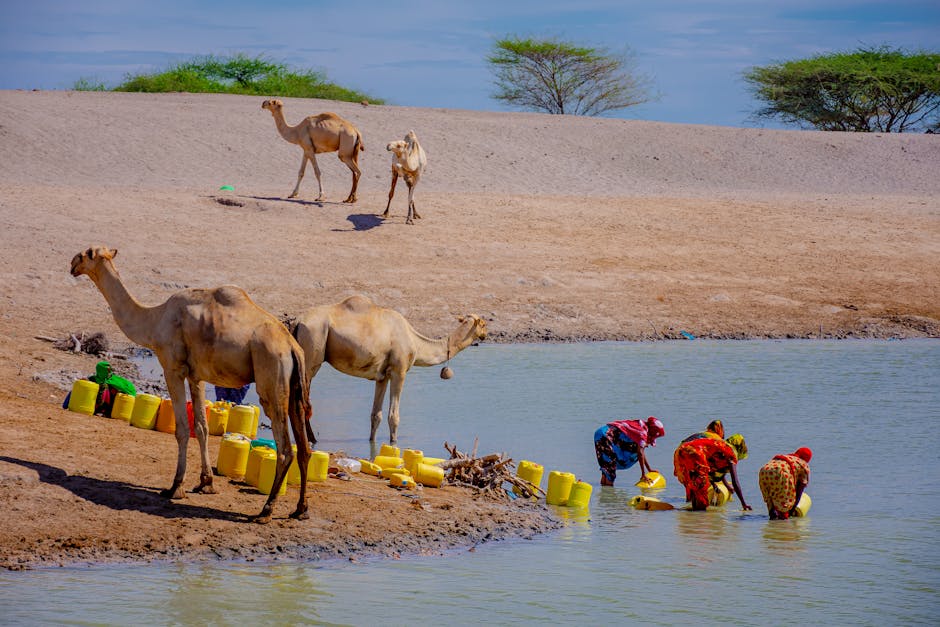
The Intergovernmental Panel on Climate Change projects that extreme weather events will double in frequency between 2024 and 2026. This means more severe droughts in already water-stressed regions and more intense floods that contaminate freshwater supplies.
Monsoon patterns that cities like Mumbai and Dhaka depend on are becoming increasingly unpredictable. The 2023 monsoon season delivered 30% less rainfall than normal across South Asia, forcing 400 million people to ration water. Climate models suggest this variability will become the new normal by 2026.
### Urban Population Explosion
UN projections show 68% of the world’s population will live in cities by 2026, up from 55% today. This represents the fastest urbanization period in human history, with 1.3 billion people moving to cities over the next three years.
The problem isn’t just numbers—it’s location. The fastest-growing cities are in water-stressed regions. Lagos, Nigeria, adds 3,000 residents daily but has water infrastructure built for a city one-third its size. Similar scenarios play out across Sub-Saharan Africa and South Asia.
### Infrastructure Breaking Points
Most water infrastructure in these 15 cities was built decades ago for much smaller populations. Jakarta’s water system, designed for 2 million people in the 1960s, now serves 10.5 million. Aging pipes lose 40% of treated water to leaks—water that costs energy and money to process.
Upgrading infrastructure takes time these cities don’t have. Building a new water treatment plant typically requires 5-7 years from planning to completion. Desalination plants—increasingly seen as a solution—take even longer and consume massive amounts of energy.
## Solutions That Actually Work
Despite the dire projections, some cities are proving that water crises aren’t inevitable with the right interventions.
**Israel transformed from water-scarce to water-surplus** through aggressive desalination, wastewater recycling, and precision agriculture. The country now produces 20% more water than it consumes and exports technology worldwide. Their approach: treat water as a strategic resource, not a utility.
**Singapore’s “Four Taps” strategy** diversifies water sources through local catchment, imported water, recycled wastewater (“NEWater”), and desalination. By 2026, the city-state aims to be completely water self-sufficient—remarkable for a nation with no natural freshwater sources.
**Melbourne’s response to the Millennium Drought** (1996-2010) offers a replicable model. The city built desalination capacity, implemented strict conservation measures, and invested in water recycling. When drought returned in 2019, Melbourne was prepared.
### Technology Solutions Scaling Fast
Atmospheric water generation—extracting moisture from air—is moving beyond pilot projects. Companies like Zero Mass Water and Watergen are deploying commercial systems that produce clean drinking water using only solar power and humidity. While currently expensive at $5-10 per 1,000 liters, costs are dropping rapidly.
Advanced water recycling, once stigmatized as “toilet to tap,” is gaining acceptance. Orange County, California, has successfully operated the world’s largest water recycling facility since 2008, producing water cleaner than most bottled brands.
The global water crisis of 2026 isn’t inevitable, but it requires unprecedented action starting now. Cities that invest in diversified water sources, upgrade aging infrastructure, and implement conservation measures will survive and thrive. Those that don’t will join Cape Town and Chennai as cautionary tales of urban collapse. The choice—and the time to make it—is running out as fast as the water itself.